 |
 |
 |
|---|

 |
 |
|---|
 |
|
|---|---|
 |
 |
|
|
 |
|
|
|
 |
|
|
|
 |
|
|
|
 |
|
|
|
 |
|
|
|
 |
|
|
|
 |
 |
|---|
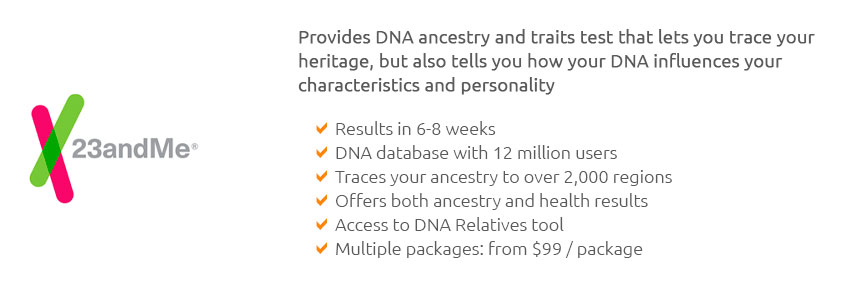
Exploring the Fascinating World of Home DNA AncestryIn recent years, the concept of home DNA ancestry testing has surged in popularity, offering individuals a unique opportunity to delve into their genetic past from the comfort of their own homes. These tests, often wrapped in sleek packaging and accompanied by user-friendly instructions, promise to unveil the mysteries of one's lineage, connecting people to their roots in ways that were previously unimaginable. The process is deceptively simple: a cheek swab or saliva sample is all it takes to unlock a treasure trove of information about one's heritage. Companies like AncestryDNA, 23andMe, and MyHeritage have capitalized on the innate human curiosity about our origins, providing services that analyze DNA to trace familial connections and geographical ancestry. The results, often delivered in comprehensive online reports, are not just a compilation of data; they are a narrative-a story of migration, survival, and identity. But what makes these tests so alluring? For many, it is the chance to answer lingering questions about familial lore-those whispered tales of ancestors from distant lands or the curiosity about a surname's origin. Others seek a deeper connection to their cultural heritage, hoping to find a tangible link to traditions and histories that feel just out of reach in the modern world. However, the journey of uncovering one's ancestry is not without its complexities. As with any technology, the accuracy and ethical implications of DNA testing are topics of ongoing debate. While these tests can provide insights, they are not infallible; variations in genetic data interpretation between companies can lead to differing results, leaving some users perplexed. Moreover, privacy concerns loom large, as the storage and potential misuse of genetic information raise important questions about consent and data protection. Despite these challenges, the allure of home DNA ancestry testing remains strong. For best practices, experts recommend approaching these tests with an open mind and a critical eye.
https://www.23andme.com/dna-ancestry/?srsltid=AfmBOooXVEa8CZjU-H4AAbZCb39RfC0P6hd2t_qsGMpLu_-1YwHQKP-O
23andMe Home - Shop. Exclusive Offer: Buy one kit, get 20% OFF each additional ... https://homedna.com/login
GPS Origins Ancestry Test | Asian Edition - HomeDNA Starter Ancestry Test - DNA Origins Maternal Lineage - DNA Origins Paternal Lineage - HomeDNA Advanced ... https://homedna.com/uk/product/homedna-starter-ancestry-test
A fun and easy way to connect your past with your present, using the information in your own DNA! HomeDNA Starter DNA Test for Ancestry uses the power of DNA.
|
|---|

